The Cruel Symmetry of Johnny Young’s Final Battle
There is a particularly cruel kind of heartbreak in losing a child to an illness, only to one day face that same disease yourself. For Australian entertainment icon Johnny Young, that devastating symmetry became reality.
Young, the beloved creator and host of Young Talent Time, died at the age of 79 after a short battle with pancreatic cancer — the same disease that had taken the life of his only son, Craig, in 2014.
For a man whose career was built around music, laughter and giving young Australians their moment in the spotlight, his final chapter carried a sorrow that few outside his family could fully understand.
A Family Already Touched by Loss

Johnny Young’s life was filled with extraordinary professional achievements, but behind the television lights was a family history marked by profound grief.
Born Johnny Benjamin Arthur de Jong in Rotterdam in 1947, Young moved to Australia as a child and eventually became one of the most recognisable figures in Australian popular culture.
He found early success as a singer and songwriter before creating Young Talent Time, the television program that became a defining part of Australian family entertainment from 1971 to 1988.
The show helped launch the careers of performers including Tina Arena and Dannii Minogue, while Young himself became a mentor to generations of young entertainers.
Yet in 2014, his family endured an unimaginable blow. His son Craig died from pancreatic cancer at the age of 48.
Years earlier, Young had spoken openly about Craig’s illness, describing his son with enormous affection and saying that there was much to learn from people facing serious illness.
That loss never simply disappeared. A parent can learn to live with grief, but the absence of a child remains part of the family story forever.
And more than a decade later, pancreatic cancer returned to Young’s own life.
The People Beside Him
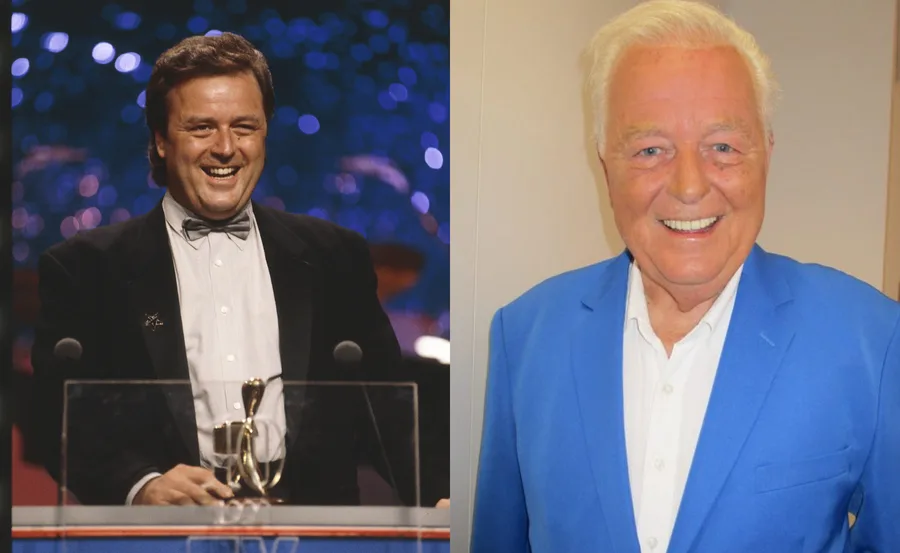
Through decades of professional triumphs and deeply personal setbacks, family remained central to Johnny Young.
He married Marisha in 2002, and she remained his wife until his death.
He is survived by Marisha and his daughters, Anna and Fleur, along with grandchildren and great-grandchildren.
Anna and Fleur represented the continuing thread of a family that had already experienced extraordinary highs and painful losses.
Anna became involved in teaching singing and dance through the Johnny Young Talent School, while Fleur pursued a career in fashion.
For Young, family life existed far away from the applause of television studios.
It was in those quieter relationships — with his wife, his daughters and the generations that followed — that his identity as a father mattered more than his identity as a television legend.
After Craig’s death, Young had already experienced the particular pain of watching someone he loved battle pancreatic cancer.
When he received his own diagnosis, the illness could not have been an abstract medical term. It was a disease whose devastating consequences he knew intimately.
Facing the Diagnosis With Quiet Dignity
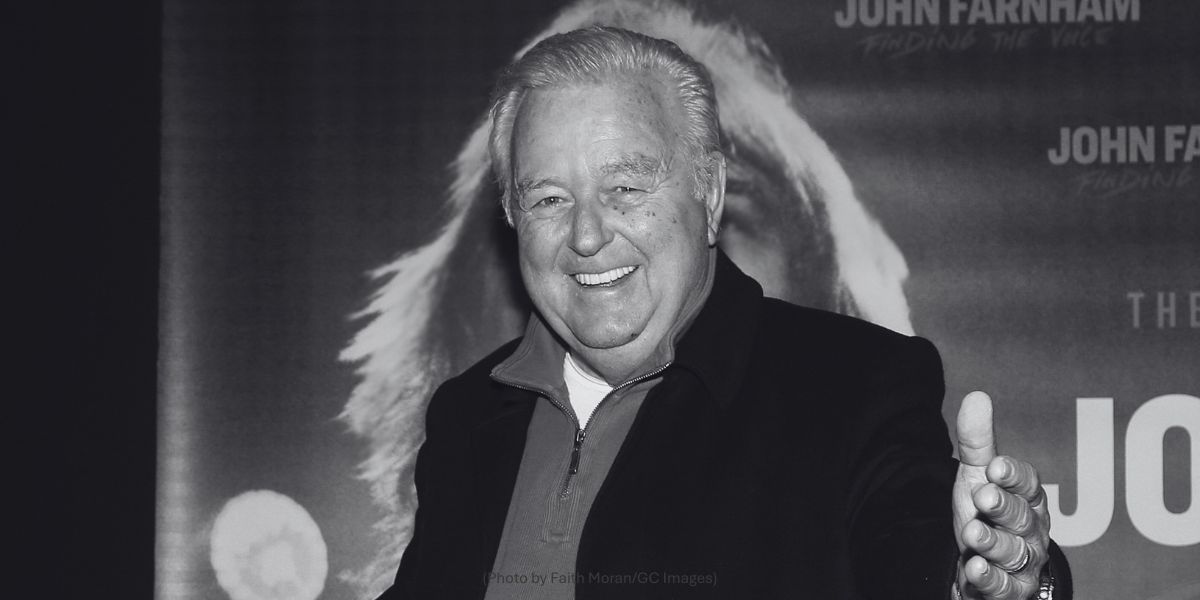
There is something especially poignant about a performer confronting an illness that cannot be managed with a script.
Johnny Young spent much of his life entertaining others.
He was the man audiences associated with music, smiles and young performers stepping nervously onto a television stage.
But pancreatic cancer placed him in a role no entertainer chooses: the patient, the father confronting another devastating chapter, and the family man confronting mortality.
Reports confirmed that his battle was brief. His death came at 79, following the diagnosis of pancreatic cancer — the same disease that had claimed Craig twelve years earlier
That coincidence makes his final months particularly difficult to comprehend.
For many families, cancer is already frightening enough. For Young, it carried memories of his son.
There was no grand television finale capable of making such a moment easier.
There was simply the reality of a husband and father surrounded by the people who loved him, carrying the weight of a life that had contained extraordinary joy as well as devastating grief.
A Nation Struggles to Believe the News

News of Young’s death prompted an immediate wave of remembrance across Australia.
Tributes came from former colleagues, entertainers and political leaders, reflecting the enormous cultural footprint he left behind.
For generations of viewers, Young was not simply a television presenter. He was part of their childhood.
The tragic connection between his death and Craig’s passing also gave the news a painful emotional dimension.
The symmetry was difficult for many admirers to process: a father who had once watched his son fight pancreatic cancer had ultimately been claimed by the same disease himself.
Online, the reaction reflected that disbelief and sadness, with fans remembering the warmth of Young Talent Time and mourning a figure who had been present in Australian homes for decades.
The tributes were not only about a television program or a collection of hit songs.
They were about memories — families gathered around screens, children dreaming of performing, and a host whose enthusiasm became part of the atmosphere of Australian television.
The Battles We Never See
Johnny Young’s story also offers a reminder of how little the public sees of a celebrity’s private life.
Audiences see performances.
They see interviews, photographs, television appearances and moments of celebration.
They rarely see the nights spent worrying about a sick child, the grief after a funeral, or the private conversations that follow a devastating diagnosis.
Young knew what it meant to keep moving forward while carrying profound personal pain. He continued creating, performing and contributing to Australian entertainment after Craig’s death. His professional identity did not erase his grief; it simply existed alongside it.
That may be one of the quiet strengths of public figures: continuing to smile for others even when life away from the cameras has given them every reason to cry.
Johnny Young’s career lasted for generations.
His influence stretched from 1960s pop music to the enormous cultural phenomenon of Young Talent Time, and his contribution was formally recognised with induction into the ARIA Hall of Fame in 2010.
But perhaps his most enduring legacy will not be measured in awards, television episodes or hit songs.
It will be measured in people.
The young performers he encouraged.
The audiences he entertained. The family he loved.
And the memories left behind by a man who spent his life helping other people find their voices.
A Final Goodbye
There is a heartbreaking poetry in Johnny Young’s final chapter.
He lost his son Craig to pancreatic cancer in 2014. Twelve years later, the same disease took him.
For his daughters Anna and Fleur, and for his wife Marisha, the loss is not the loss of a television legend. It is the loss of a husband, a father and a grandfather — someone whose voice and presence belonged to the private world behind the public name.
Australia may remember Johnny Young as the smiling host of Young Talent Time, the songwriter behind unforgettable music and the mentor who helped shape generations of performers.
But behind that public image was a father who knew grief in its most devastating form.
Now, after a lifetime of music, family, triumph and heartbreak, Johnny Young’s final curtain has fallen.
Perhaps the most moving way to remember him is not as the man who disappeared from the screen, but as the man whose work continues to live in the people he inspired.
And somewhere beyond the applause, beyond the cameras and beyond the pain, there is a final, deeply human thought: after twelve years of carrying the loss of his son, Johnny Young has finally gone where Craig went before him.
He leaves behind a heartbroken family — and a nation that will remember the man who taught generations of Australians that, for a few precious minutes, the world could always be a little brighter when the music began.